MENU
MENU
 MENU
MENU

 Call Us


Conserve Water and Cut Yard Work with Xeriscaping

The word xeriscaping comes from the Greek word “xeros” for dry and “scape” for scene. But “dry scene” hardly does it justice. Xeriscaping focuses on slow-growing, drought-tolerant plants. It saves water, decreases the need for maintenance, eliminates fertilizers and pesticides, improves property values, reduces pollution and provides a habitat for wildlife. Xeriscaping comprises seven basic principles:

Switch Things Up
1. Plan and design a xeriscape landscape
Spend time at neighborhood nurseries to learn about locally-grown, drought-resistant plants. Draw an aerial view of your property on graph paper, including any existing features that will remain while xeriscaping, like fences and large trees.
2. Select and zone plants appropriately
Choose drought-resistant plants that are native to your region. Be sure to consider the plant’s maximum size to avoid unnecessary pruning. Group plants by similar sunlight and moisture needs for more efficient watering.
3. Improve your soil
The two most important traits for xeriscaping soil are good drainage and water retention. Increase the organic content of your soil with compost and keep it aerated.
Luxe Layers
4. Create limited turf areas
Cut back as much as possible on turf. Avoid using bluegrass turfs that require a lot of supplemental watering and replace them with native species.
5. Use mulch
Spread ample amounts of mulch around plants and trees to retain moisture, control temperature and discourage weeds.
6. Irrigate efficiently
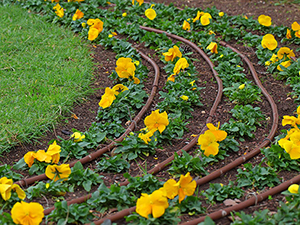
Use soaker hoses and drip irrigation methods rather than sprinkler systems for the most efficient use of water.
7. Maintain the area
Don’t cut turf areas too short – taller grass helps preserve moisture. Pull weeds as they appear, adding more mulch if necessary, and avoid fertilizing.