MENU
MENU
 MENU
MENU

 Call Us


Pet Door 101: Just the Facts, Ma’am
Location, Location, Location
Location, Location, Location
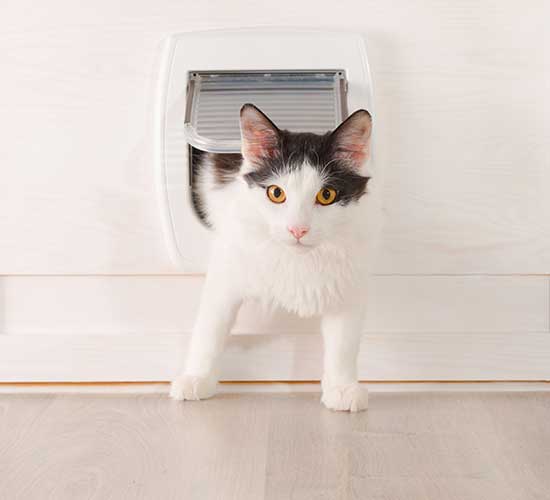
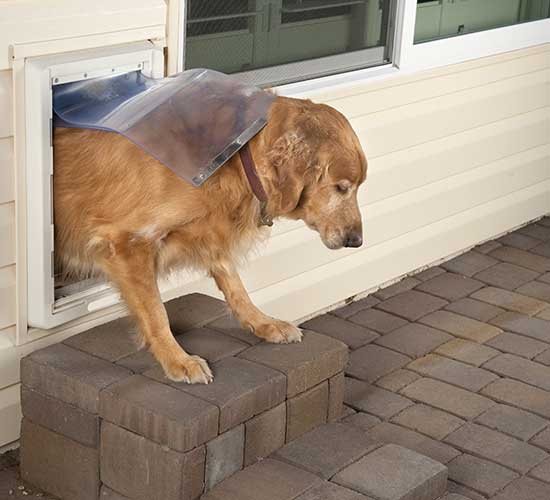
The name, dog door, can actually be a bit of a misnomer. Although pet doors are often installed in doors and walls, they can be installed within any material – wood, steel, French and glass doors, siding, brick and stucco walls. The first step is to choose a location that is convenient for your pet, as well as your budget. A great selection for renters is the patio pet door insert, which fits directly into the track of the existing patio door, and doesn’t require any cutting or cause permanent damage. Keep in mind that your pet door of choice will need to accommodate current and future pets when determining size and location within the wall or door height.
Show Me the Money
There are a range of pet doors available for every budget. The basic pet door is mounted in a door or wall, and has a flap for entry and exit. On the higher end of the cost scale, a fully motorized pet door will open for your animals (per the chip in their collar) only when they are making a direct approach. Although costlier, one significant benefit of choosing an electronic door that relies on radio frequency technology includes helping to keep unwanted critters from also entering your home through your new door.
Measure Twice, Cut Once
To begin the installation process, measure from the ground to the top of your animal’s shoulders and add two inches, keeping in mind future growth of your pet for planning purposes. Use the shoulders as a marker since your pet will be able to duck their head to fit through the door. Remove the door from its hinges and place it on a level surface. Cut out the correct template size, keeping in mind your measurements from earlier and trace the template outline onto the door.
Remove the template and drill the inside corners, using a jigsaw to cut out the hole, starting at one of the corners and following the lines. Hold the interior and exterior frames together with the flap or door in the cut-out hole. Put the screws in the holes and tighten until the frames come together but do not overtighten. Hang the door back on the hinges and begin training your pet how to use their new door.
A pet door gives you and your four-legged friend freedom, but you’ll need to research the option that will be the best fit for everyone while taking into account location, investment and complexity of installation.
Measure Twice, Cut Once